Defining Holistic Health Practices
- Mandi Ridley
- Nov 24, 2025
- 4 min read

HomeWhen I first started exploring ways to improve my well-being, I quickly realized that health is not just about treating symptoms. It’s about nurturing every part of ourselves - body, mind, and spirit. This is where integrative health practices come in. They offer a beautiful blend of traditional medicine and natural healing methods, creating a balanced approach to wellness. Let’s dive into what integrative health really means and how it can transform your life.
What Are Integrative Health Practices?
Integrative health practices combine the best of both worlds: conventional Western medicine and complementary therapies. Instead of focusing solely on illness, these practices emphasize prevention, healing, and overall wellness. They encourage us to look beyond just physical symptoms and consider emotional, mental, and spiritual health as well.
Some common integrative health practices include:
Acupuncture: Using fine needles to stimulate specific points on the body to relieve pain and promote healing.
Yoga and Meditation: Techniques that calm the mind, reduce stress, and improve flexibility and strength.
Herbal Medicine: Using plants and natural extracts to support the body’s healing processes.
Nutrition Counseling: Tailoring diet plans to support individual health needs.
Massage Therapy: Manipulating muscles and tissues to reduce tension and improve circulation.
These practices work hand-in-hand with traditional treatments, offering a more personalized and holistic approach to health.

How Integrative Health Practices Support Your Well-Being
One of the things I love most about integrative health is how it empowers us to take an active role in our wellness journey. It’s not just about what a doctor can do for us but what we can do for ourselves every day.
Here’s how integrative health practices can support your well-being:
Address Root Causes
Instead of just masking symptoms, these practices help identify and treat the underlying causes of health issues. For example, chronic headaches might be linked to stress or poor nutrition, which can be addressed through meditation and dietary changes.
Enhance Mental and Emotional Health
Practices like mindfulness meditation and acupuncture have been shown to reduce anxiety and depression. They help balance the nervous system and promote emotional resilience.
Boost Immune Function
Herbal remedies and proper nutrition can strengthen your immune system, making it easier to fight off infections and recover from illness.
Improve Quality of Life
Integrative approaches often lead to better sleep, more energy, and reduced pain, which all contribute to a happier, healthier life.
Personalized Care
These practices recognize that each person is unique. What works for one might not work for another, so treatments are tailored to your specific needs and preferences.
By embracing integrative health, you’re choosing a path that honors your whole self and supports long-term wellness.
Exploring Natural Remedies and Their Benefits
Natural remedies have been used for centuries across cultures to promote healing and balance. Today, they are an essential part of integrative health practices. I find it fascinating how simple herbs and plants can have such powerful effects on our bodies.
Here are some popular natural remedies and their benefits:
Turmeric: Known for its anti-inflammatory properties, turmeric can help with joint pain and digestive issues.
Ginger: Great for nausea, digestion, and reducing inflammation.
Lavender: Often used in aromatherapy to reduce stress and improve sleep quality.
Echinacea: Supports the immune system and may reduce the duration of colds.
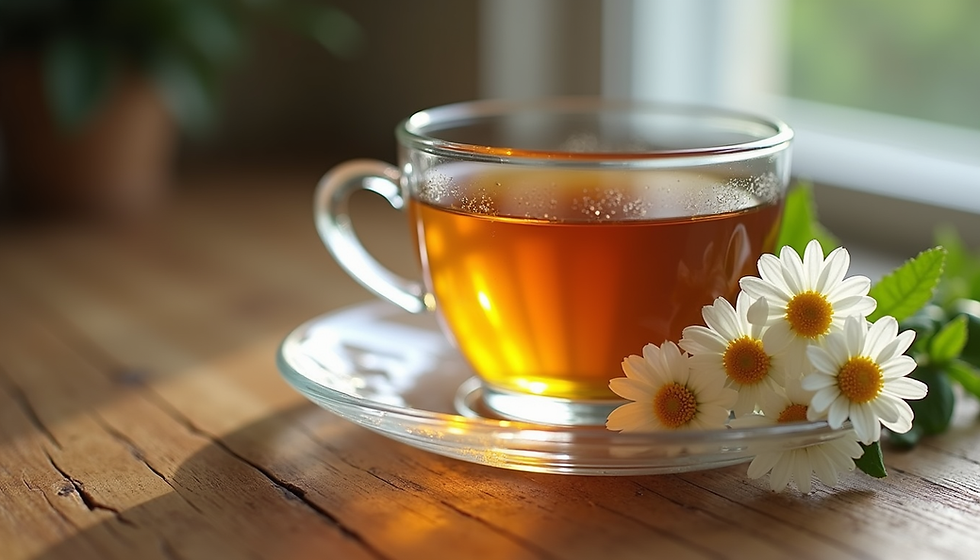
Chamomile: Calming herb that aids in relaxation and digestion.
Incorporating these herbs into your daily routine can be as simple as drinking herbal teas, using essential oils, or taking supplements. Just remember to consult with a healthcare provider, especially if you’re on medication or have existing health conditions.

Practical Tips to Start Your Integrative Health Journey
Starting with integrative health practices might feel overwhelming at first, but it doesn’t have to be complicated. Here are some practical steps you can take to begin:
Educate Yourself
Learn about different integrative therapies and how they might benefit you. Reliable websites, books, and workshops are great resources.
Consult Professionals
Find practitioners who specialize in integrative health. They can guide you safely through treatments and help create a personalized plan.
Start Small
Try incorporating one new practice at a time, like daily meditation or adding an herbal tea to your routine.
Listen to Your Body
Pay attention to how you feel after trying new therapies. Adjust as needed and be patient with the process.
Combine with Conventional Care
Always keep your primary healthcare provider informed about any integrative treatments you’re using. This ensures safe and coordinated care.
Create a Supportive Environment
Surround yourself with positive influences and create spaces that promote relaxation and healing.
By taking these steps, you’ll build a strong foundation for lasting health and well-being.
Embracing a Holistic Approach to Wellness
At the heart of integrative health is a deep respect for the interconnectedness of all aspects of our being. This is why I often turn to holistic health resources to deepen my understanding and practice. Holistic health encourages us to nurture not just the body but also the mind and spirit.
This approach reminds us that:
Emotional well-being affects physical health
Spiritual practices can enhance healing
Lifestyle choices shape our overall wellness
By embracing this mindset, we open ourselves to a richer, more fulfilling health journey. It’s about creating harmony within ourselves and with the world around us.
Moving Forward with Confidence and Care
Integrative health practices offer a gentle, empowering way to care for ourselves. They invite us to slow down, listen deeply, and make choices that honor our whole being. Whether you’re dealing with a specific health issue or simply want to enhance your vitality, these practices can be a valuable part of your wellness toolkit.
Remember, your health journey is uniquely yours. Take it one step at a time, celebrate your progress, and don’t hesitate to seek support when needed. With integrative health, you’re not just surviving - you’re thriving.
Here’s to your vibrant, balanced, and joyful life!


Comments