How Fall Weather Influences Your Dosha and Body Composition

As summer fades and the vibrant colors of fall emerge, many of us notice changes in the air. The season is more than just a backdrop for cozy get-togethers and pumpkin-inspired treats; it plays a vital role in affecting our bodies and minds. According to Ayurveda, the ancient Indian system of medicine, our body constitution or dosha is influenced by these seasonal shifts. In this post, we will uncover how fall weather impacts your dosha and provide practical tips to maintain your balance during this transformative time.
Understanding Doshas
In Ayurveda, the doshas—Vata, Pitta, and Kapha—are key elements in understanding your physical and emotional traits. Each dosha is a unique blend of the five elements: earth, water, fire, air, and ether.
Vata: This dosha combines air and ether and is linked to qualities like lightness, dryness, and coolness. People with a dominant Vata dosha tend to be creative and energetic but may also struggle with anxiety or restlessness.
Pitta: Composed of fire and water, Pitta is known for qualities such as intensity and heat. Pitta individuals are ambitious and passionate but can be prone to irritability and digestive issues.
Kapha: This dosha merges earth and water, characterized by heaviness and moisture. Individuals with a strong Kapha dosha are often nurturing and calm, yet they might experience lethargy and stubbornness.
As fall rolls in, the qualities of these doshas shift. Recognizing how cooler temperatures affect your dosha can lead you to better choices regarding your diet and lifestyle.
The Impact of Fall on Your Dosha
Vata Dosha in Fall
With the arrival of fall, Vata qualities become more prominent. The chilly, dry air can heighten feelings of anxiety and restlessness.
To combat these shifts, it is crucial to embrace grounding practices:
Diet: Incorporate warm, moist foods. Think hearty soups, roasted root vegetables, and grains like quinoa or brown rice. Healthy fats like ghee provide necessary nourishment, while foods that are slightly oily can help soothe dryness. Aim for at least two meals per day featuring these ingredients for optimal balance.
Lifestyle: Develop a calming routine. Practices like gentle yoga or meditation can stabilize your energy. Regular warm baths with soothing essential oils such as lavender can help calm your nerves.
Self-Care: Oil massages using warm sesame or almond oil not only hydrate the skin but also provide a relaxing experience. Aim to treat yourself to this at least once a week.
Pitta Dosha in Fall
Even though fall primarily aligns with Vata, Pitta individuals may also experience effects. The cooler climate can help temper Pitta's fiery nature, yet some may still face irritability and digestive issues during this transition.
To maintain balance, Pitta types should engage in cooling practices:
Diet: Focus on cooling foods such as leafy greens, melons, and cucumbers. Including at least three servings of these foods each week can help alleviate Pitta discomfort. Steer clear of overly spicy meals that may aggravate your system.
Lifestyle: Activities that encourage relaxation, such as swimming or leisurely time in nature, are beneficial. Mindfulness techniques, including deep breathing exercises, can help in managing stress.
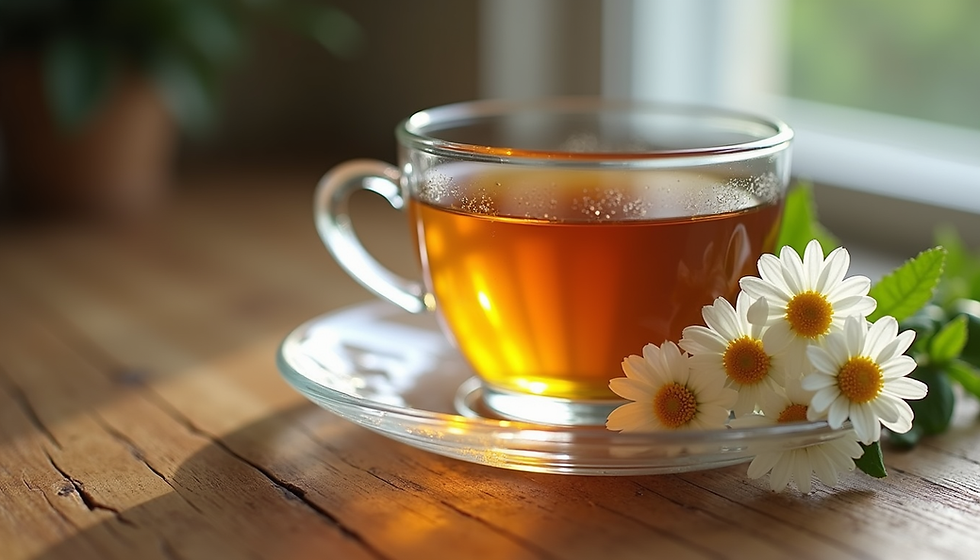
Self-Care: Herbal teas like chamomile or peppermint work well in calming the mind and digestion. Try sipping on these after meals to further support your Pitta balance.
Kapha Dosha in Fall
For those with a dominant Kapha dosha, fall can signal necessary changes. The cooler weather may increase feelings of heaviness, which can amplify Kapha tendencies.
To fend off these effects, Kapha individuals should aim for invigorating practices:
Diet: Utilize light, warm meals spiced with ginger, turmeric, or black pepper. These spices not only enhance flavor but also aid digestion. Aim for at least one spicy meal daily to keep your energy up, while avoiding heavy foods that may lead to sluggishness.
Lifestyle: Commit to regular exercise to boost vitality. Activities like brisk walking, yoga, or even dance can elevate your mood and energy levels.
Self-Care: Dry brushing can help awaken the skin and promote blood flow. Follow it up with a warm shower infused with stimulating essential oils such as eucalyptus.
Seasonal Rituals for Balance
As fall unfolds, instituting rituals that resonate with the seasonal changes can help align your body with your environment. Here are some enriching practices to consider:
Mindful Eating
Engage fully with your meals, using seasonal ingredients that nourish your dosha. Set aside time to cook and savor your food, which enhances digestion and connects you with what your body needs.
Nature Walks
Dedicate time outdoors to soak in the beauty of fall. Even a 20-minute walk can help clear your mind and ground your energy. Notice the vivid colors, sounds, and scents, which can elevate your spirit.
Journaling
Use journaling as a tool to capture your thoughts and emotions throughout this transitional period. Reflection can aid in understanding your feelings and set clearer goals for the weeks ahead.
Herbal Remedies
Incorporate herbal remedies tailored to your dosha. For Vata, warming spices are beneficial, while Pitta individuals might find relief in cooling herbs. Consulting with an Ayurvedic practitioner can provide personalized insights.
Embracing Change in the Season
As fall influences your dosha and body composition, adapting your lifestyle and self-care practices is vital. By grasping the characteristics of Vata, Pitta, and Kapha, you can make informed choices that enhance your well-being during this beautiful season.
Fall offers a unique opportunity to nourish both your body and mind. By practicing mindfulness and focusing on self-care, you can navigate this transitional time with grace and vitality.


Comments