How Rose Can Offer Comfort During Stress and Grief

Some days, comfort has to be simple enough to fit in your hand.
When stress is high or grief is fresh, even basic things can feel too big. Making dinner. Answering messages. Deciding what to do with the next hour. In moments like that, a rose can seem almost too small to matter, but small forms of care often reach us first.
A rose won’t take pain away. It won’t fix loss, erase anxiety, or replace the support of people who love you. But it can help create a little softness around hard moments. Through scent, touch, ritual, memory, and beauty, rose can offer the kind of comfort that doesn’t ask much from you.
This piece is about gentle, everyday support. It’s informational, not medical advice. If stress or grief feels unmanageable, or if you’re struggling to function, it’s okay to reach out to a mental health professional, a grief counselor, a doctor, or a trusted person in your life.

Rose gives the mind a gentle place to land
Stress and grief can make the mind race in different ways.
Stress often pulls you into problem-solving mode. Your thoughts jump from one worry to the next. Grief can do something similar, but with memory. One moment you’re brushing your teeth, and the next you’re hit by a song, a smell, a date, or a silence that hurts.
A rose gives your attention something steady and kind to rest on.
That may sound small, but the nervous system often responds well to simple sensory anchors. When you notice a rose, you can focus on what’s right in front of you:
The shape of the petals
The curve of the stem
The weight of it in your hand
The color shifting from the center outward
The faint scent when you lean closer
This kind of noticing can interrupt the spiral, even for a minute. And sometimes a minute is enough to help you take the next breath.
You don’t have to force yourself into a calm state. That usually backfires anyway. Instead, try letting the rose be a quiet object of attention.
Pick it up. Look closely. Notice one detail you hadn’t seen before. Maybe one petal is folded at the edge. Maybe the color is deeper near the center. Maybe the stem has a slight bend.
The point isn’t to meditate perfectly. The point is to come back to the room you’re in.
A rose can become a small reminder that you’re here, breathing, and not required to solve everything at once.
A simple grounding practice with a rose
If your thoughts feel loud, try this for one or two minutes.
Hold the rose or sit near it. Then name:
Five things you can see
Four things you can feel
Three things you can hear
Two things you can smell
One thing you can do next
That last step matters. Keep it tiny. Drink water. Sit down. Text one person. Step outside. Wash your face. Put on clean socks.
During stress or grief, small next steps can be kinder than big plans.
Beauty can help without asking you to be happy
There’s a strange guilt that can show up during grief. You might see something beautiful and feel bad for noticing it. A nice sky. A flower blooming. A warm cup of tea. Part of you may wonder, “How can this still be beautiful when everything hurts?”
But beauty isn’t betrayal.
You can miss someone and still notice a rose. You can be overwhelmed and still take comfort in softness. You can feel deep sadness and still let something lovely sit near you.
A rose doesn’t demand cheerfulness. It doesn’t tell you to “move on.” It simply exists beside what you’re carrying.
That’s part of why it can help. It offers comfort without pressure.
Rose can bring the body back into the moment
Stress and grief don’t only live in the mind. They live in the body too.
You might feel tightness in your chest, a jaw that won’t unclench, a heavy stomach, shallow breathing, shaky hands, or exhaustion that sleep doesn’t fully fix. The body can hold what the heart hasn’t found words for yet.
Rose can support the body through the senses. Not in a magical way. In a grounded, human way.
The scent of rose, the warmth of rose tea, the feel of petals between your fingers, or even the slow act of arranging stems in water can send a cue to the body: this moment is safe enough to soften a little.
That cue can matter.
Scent, in particular, has a strong link to memory and emotion. A familiar smell can bring back a person, a place, or a season in an instant. Rose may remind you of a garden, a loved one’s perfume, a wedding, a funeral arrangement, a grandmother’s bathroom soap, or a bush outside a childhood home.
That can be comforting, but it can also be tender. If rose brings up tears, that doesn’t mean it failed. Sometimes comfort opens the door to what needs to be felt.

Rose tea can turn care into a small ritual
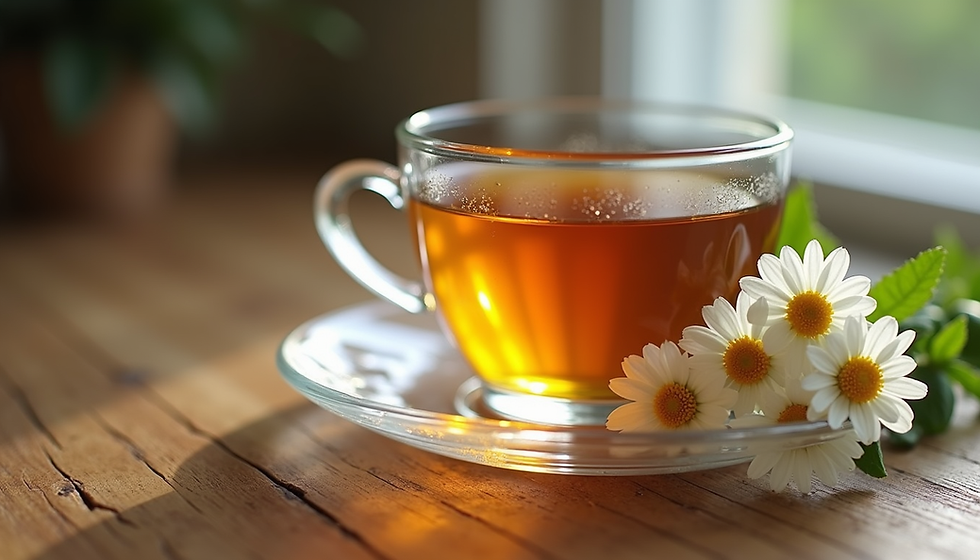
A cup of rose tea can be soothing because it gives you something slow to do.
You fill the kettle. Wait for the water. Watch the petals or herbs steep. Hold the warm mug. Sip carefully. For a few minutes, the task is simple and contained.
That matters when life feels scattered.
You don’t need to make it fancy. In fact, grief usually doesn’t have patience for fancy. The goal is simply to create a repeatable rhythm.
Try this:
Choose a mug that feels good in your hands.
Let the tea steep while you take three slow breaths.
Hold the mug close and notice the warmth.
Take the first sip without doing anything else.
Ask yourself, “What do I need in the next ten minutes?”
The answer might be rest. Food. A blanket. A cry. A walk. Silence. Company.
Let the answer be ordinary.
If you use rose tea or rose-based foods, make sure they’re meant to be consumed. Fresh roses from florists or gardens may be treated with chemicals, so don’t use petals unless you know they’re food-safe.
Rose scent can support a calmer space
A rose-scented room can feel softer, especially when stress has made everything feel sharp.
The key is to keep it gentle. Strong scents can overwhelm some people, especially during headaches, nausea, anxiety, or grief waves. A light scent is usually better than a heavy one.
You might use:
A fresh rose in water
Dried rose petals in a small bowl
A lightly scented bath
A sachet tucked near a reading chair
A few petals in a warm foot soak, if they’re safe for skin contact
Pay attention to your own response. If the scent helps you breathe easier, keep it. If it irritates you or brings up memories you’re not ready for, put it away. Comfort should not feel like another thing to endure.
Rose helps most when it stays flexible.
Rose can hold memory when words are hard
Grief often makes language feel thin.
People ask how you are, and the honest answer may be too large for casual conversation. You might say, “I’m okay,” because explaining the truth would take too much energy. Or maybe you don’t know what you feel yet. It changes hour by hour.
Rose can become a symbol when words don’t come easily.
Many people already connect roses with love, remembrance, tenderness, and honoring. That symbolism can give you a way to express something without having to explain every part of it.
You might place a rose near a photo. Bring one to a gravesite. Float petals in a bowl on an anniversary. Press a bloom between pages. Keep dried petals in a small envelope. Plant a rose bush as a living marker of love.
None of these acts need to be public. They don’t need to become a ceremony unless that feels right. Sometimes the quietest gestures are the most honest ones.
A rose can say, “This love is still here,” when speaking feels impossible.
Different rose colors can carry different feelings
You don’t have to follow any strict meaning for rose colors. Choose what feels true. Still, color can help when you’re trying to express a feeling.
Rose color | What it can gently express |
Red | Deep love, devotion, and continuing connection |
White | Remembrance, peace, reverence, and tenderness |
Pink | Gratitude, affection, softness, and care |
Yellow | Friendship, warmth, and the light someone brought |
Peach | Appreciation, humility, and quiet thanks |
Lavender | Wonder, uniqueness, and a love that feels rare |
The “right” rose is the one that feels right in your body when you see it.
If red feels too intense, choose pale pink. If white feels too formal, choose yellow. If no color feels right, skip the rules and pick the bloom you’d want to hand to the person you miss.
Pressing a rose can preserve a moment
Fresh flowers fade. That can be painful during grief, especially if the rose came from a funeral, memorial, hospital room, or meaningful visit.
Pressing a rose can help you keep part of it.
You can press petals between sheets of plain paper inside a heavy book. Change the paper if it gets damp. Let the petals dry fully before moving them. Once dry, they can go into a frame, a card, a memory box, or a journal.
The act itself can be comforting. It gives your hands something careful to do with love.
You might write a few words beside the petals:
“I miss your laugh.”
“This was from the day we remembered you.”
“I’m still learning how to carry this.”
“Thank you for loving me.”
“I wish you were here.”
Don’t worry about making it beautiful. Make it true.

Rose can help create rituals that make hard days gentler
Stress and grief both disturb rhythm.
You may sleep at odd hours. Forget meals. Lose track of dates. Feel fine in the morning and crushed by afternoon. Hard seasons can make life feel unmoored.
Rituals help because they give shape to time.
A ritual doesn’t have to be religious or formal. It can be any repeated action that carries meaning. Rose works well in rituals because it’s physical, beautiful, and temporary. It reminds us that care can be repeated, even when feelings change.
A morning rose ritual for stressful seasons
If stress has been building, try placing one rose somewhere you’ll see it early in the day.
Before checking messages or rushing into tasks, pause near the rose and ask:
“What is one thing I can do today that would make life a little easier?”
Keep the answer small.
Maybe you pack a snack. Cancel one nonessential plan. Take a 10-minute walk. Ask for help with one chore. Leave earlier so you don’t have to rush. Put your keys in the same place. Drink water before coffee.
The rose becomes a visual cue to care for yourself before the day pulls at you.
You can also pair it with a phrase:
“I can do this one step at a time.”
“I don’t have to carry the whole day right now.”
“Softness counts.”
“I’m allowed to pause.”
“One thing at a time.”
Say it out loud if that helps. If it feels silly, write it. If that feels like too much, just look at the rose and breathe.
An evening rose ritual for grief
Evening can be hard when you’re grieving. The day gets quiet. Distractions fade. The empty place feels louder.
A rose ritual can create a gentle landing.
Place a rose near a candle, a glass of water, a photo, or another object that matters to you. Sit with it for a few minutes. You might speak to the person you miss, pray, cry, or say nothing.
You can ask yourself:
“What did I carry today?”
“What memory came up?”
“What do I wish I could say?”
“What helped, even a little?”
“What can I set down for tonight?”
You don’t need closure. You don’t need a lesson. You don’t need to turn grief into something tidy.
The ritual is just a place to put your love for a moment.
A weekly ritual can mark time without forcing progress
Grief doesn’t move in a straight line. Some weeks feel steadier, then one small thing knocks the wind out of you. That can be confusing and discouraging.
A weekly ritual with rose can help you notice time passing without judging where you “should” be.
For example, every Sunday you might:
Replace an old rose with a fresh one.
Save one petal from the old rose.
Write one sentence about the week.
Put the petal and sentence in a box or envelope.
Over time, you’ll have a record. Not a perfect healing story. Just proof that you kept showing up.
That proof can matter on days when you feel stuck.
Rose can invite care from other people
When someone is grieving or deeply stressed, people often want to help but don’t know how.
They may say, “Let me know if you need anything,” which is kind, but also puts work on the person who already feels worn out. It can be hard to name a need. It can feel awkward to ask. It can feel easier to say nothing.
Rose can become a gentle bridge.
Sending or bringing a rose is a simple way to say, “I’m thinking of you.” It doesn’t require the grieving person to host, explain, or perform gratitude. It’s a quiet offering.
If you’re giving a rose to someone in pain, pair it with practical care when you can.
You might say:
“I brought this for your table. No need to respond.”
“I’m dropping off dinner and a rose. I’ll leave both by the door.”
“I remembered today might be hard. I’m thinking of you.”
“This rose made me think of them.”
“I don’t have the right words, but I’m here.”
Those words are simple, and that’s why they work.
Avoid trying to make the rose explain the pain away. Skip lines about everything happening for a reason. Skip pressure to be strong. Let the gesture stay tender.
Roses can support shared remembrance
If a family or friend group is grieving together, roses can give everyone something to do when emotions are high.
At a memorial, anniversary gathering, or quiet dinner, each person could place a rose in a vase and share one memory. If speaking feels too hard, people can write memories on small cards instead.
Another option is to float petals in water, one petal for each quality you loved about the person:
Their humor
Their patience
Their cooking
Their stories
Their courage
Their stubbornness
Their way of making people feel seen
Specific memories are often more comforting than broad praise. “They were wonderful” is true, but “They always saved the corner brownie for me” brings the person close.
Roses can help create that opening.
Rose can also help when stress comes from caregiving
Grief doesn’t only happen after a death. People also grieve during illness, divorce, estrangement, infertility, caregiving, major life changes, or watching someone they love suffer.
Caregivers, in particular, often live with ongoing stress and quiet grief. They may not have time for long breaks or big acts of self-care. A rose on the windowsill won’t change the weight of caregiving, but it can offer a small moment that belongs to them.
If that’s you, or someone you love, keep the care simple.
Put a rose where it will be seen during an ordinary task. Near the kitchen sink. Beside a favorite chair. On a bedside table. Near the place where medication is sorted, as long as it does not get in the way.
Let it be a reminder that the caregiver’s tenderness matters too.

Rose works best when it feels personal and honest
There’s no single right way to use rose for comfort. What helps one person may not help another.
For some, fresh roses feel soothing. For others, they feel too tied to funerals or painful memories. Some people love rose scent. Others find it too sweet. Some want ritual. Others want something casual and barely noticeable.
Trust your response.
If a rose makes you feel calmer, keep it close. If it makes you ache in a way that feels useful, stay with it gently. If it makes the day harder, choose something else. Comfort is allowed to change.
You can also adapt rose to the kind of support you need.
If you need calm, choose a single pale rose and place it in a quiet space.
If you need to cry, hold a rose while listening to a song that brings the feelings up.
If you need remembrance, press petals or place a bloom near a photo.
If you need connection, give or receive a rose with a note that says something plain and true.
If you need routine, refresh the water every morning and let that be your small act of care.
The power of rose is not that it fixes grief or stress. Its power is that it gives care a shape.
A shape you can see.
A scent you can breathe in.
A texture you can touch.
A ritual you can return to.
A symbol that can hold love when words feel too small.
Let the rose be enough for this moment
During stress and grief, people sometimes feel pressure to heal correctly. To cope well. To be productive. To be grateful. To explain their feelings clearly. To get better on a schedule.
A rose asks for none of that.
It offers a quieter kind of help. It can sit beside you while you cry. It can brighten a room you haven’t had the energy to clean. It can mark a memory, soften a morning, or give your hands something gentle to hold.
That may not sound like much, but when life hurts, comfort doesn’t need to be grand. It needs to be reachable.
So if today feels heavy, try one small thing. Put a rose in water. Make rose tea. Press one petal. Bring a rose to someone who’s hurting. Sit near it for one minute and breathe.
Let it be simple.
Let it be honest.
Let it remind you that even in stress and grief, tenderness still has a place.


Comments