Understanding PMS and Its Link to Early Onset Menstrual Cycles in Young Girls
- Mandi Ridley
- Oct 24, 2025
- 5 min read

Menstruation is a natural part of life for most young girls, but its arrival can come with many challenges. One major issue is Premenstrual Syndrome (PMS), which can greatly affect their physical and emotional well-being. Understanding how PMS relates to early menstrual cycles is crucial for parents, educators, and healthcare providers. This post aims to provide insights and practical information to help navigate this important phase of life.
What is PMS?
Premenstrual Syndrome (PMS) is a combination of physical and emotional symptoms many females experience days before their monthly period. Symptoms can include mood swings, irritability, bloating, fatigue, and breast tenderness. Surprisingly, PMS does not only affect adult women; it can impact young girls just starting their menstrual journey.
These symptoms are believed to arise from hormonal shifts during the menstrual cycle. As estrogen and progesterone levels change, they can influence neurotransmitters in the brain. This impact results in both emotional and physical symptoms associated with PMS.
Understanding PMS is vital for girls entering this new phase. Recognizing these symptoms allows them to manage their experiences better.
The Early Onset of Menstrual Cycles
In recent years, there has been a growing trend of early onset menstrual cycles among young girls, with some starting as young as age 9. Factors contributing to this trend include genetics, environmental influences, and lifestyle choices.
Early menstruation can lead to numerous challenges. Girls who start their periods earlier may lack the emotional maturity to cope with PMS symptoms. This situation often results in heightened anxiety and stress, making menstruation an even more daunting experience.
For instance, a 2018 study published in the International Journal of Clinical Medicine found that girls who began menstruating before age 12 were 40% more likely to experience severe PMS symptoms compared to those who started later.

The Connection Between Early Onset and PMS
Research emphasizes a significant link between the early onset of menstrual cycles and the severity of PMS symptoms. Girls who begin menstruating earlier often encounter more intense emotional and physical symptoms than their peers who start later.
For example, a study by the American Academy of Pediatrics revealed that young girls who started menstruating before age 12 reported mood disorders such as depression and anxiety at rates up to 60% higher than those who began menstruating later.
Being aware of this connection is crucial for parents and caregivers. By recognizing the challenges associated with early menstruation, they can offer the necessary support and resources to help girls through this pivotal time.
Symptoms of PMS in Young Girls
PMS symptoms can differ in young girls compared to older women. Common symptoms include:
Emotional Symptoms: Young girls may experience mood swings, irritability, anxiety, and depression. They may struggle to express these feelings, leading to frustration and confusion.
Physical Symptoms: Symptoms like bloating, cramps, headaches, and breast tenderness can disrupt daily activities, including school and social events.
Behavioral Changes: Some girls may notice alterations in sleep patterns, appetite, and energy levels, which further complicate their ability to handle PMS effectively.
Recognizing these symptoms is crucial for managing PMS. Parents and caregivers should promote open communication, enabling young girls to articulate their feelings and experiences.
Coping Strategies for PMS
Managing PMS may be difficult, but several effective strategies can help young girls:
Education: Knowledge about PMS and its symptoms can empower girls. Providing educational resources, such as books or websites, can help clarify their experiences.
Healthy Lifestyle Choices: A balanced diet, regular exercise, and adequate sleep can significantly lessen PMS symptoms. Foods rich in calcium (like dairy), magnesium (like nuts and leafy greens), and vitamins (such as fruits) may be especially useful.
Stress Management Techniques: Relaxation practices like deep breathing, yoga, or meditation can aid in minimizing the emotional symptoms associated with PMS.
Open Communication: Creating a safe space for discussions about feelings and experiences can support emotional well-being. Parents and caregivers should foster a dialogue about menstruation and PMS.
Consulting Healthcare Professionals: If PMS symptoms are overwhelming, seeking advice from a healthcare provider can be helpful. They can suggest personalized solutions, including lifestyle adjustments or, if necessary, medication.

Herbs That Can Help Alleviate PMS Symptoms
Premenstrual syndrome (PMS) can cause a range of physical and emotional symptoms. Certain herbs have been traditionally used to help alleviate these symptoms. Here are some effective options:
1. Chaste Tree (Vitex agnus-castus)
Chaste tree is known for its ability to balance hormones and reduce symptoms such as mood swings and irritability. It may help regulate menstrual cycles and reduce breast tenderness.
2. Ginger (Zingiber officinale)
Ginger can help reduce bloating and menstrual cramps due to its anti-inflammatory properties. It can also aid in digestion, which may be beneficial during PMS.
3. Peppermint (Mentha piperita)
Peppermint is often used to relieve headaches and digestive issues associated with PMS. Its muscle relaxant properties may also help ease cramps.
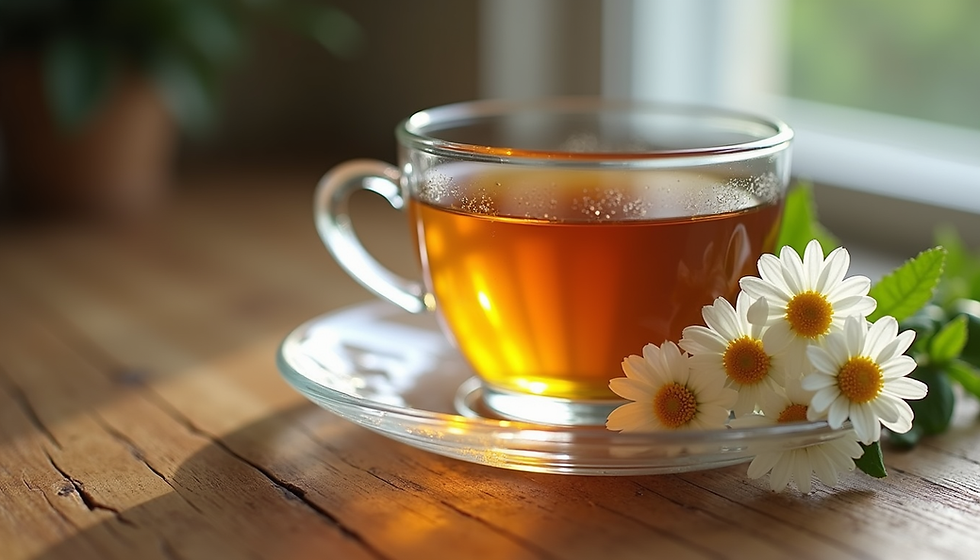
4. Chamomile (Matricaria chamomilla)
Chamomile tea is known for its calming effects and can help alleviate anxiety and irritability during PMS. It may also help with sleep disturbances.
5. Dong Quai (Angelica sinensis)
Dong Quai is often referred to as "female ginseng" and is used in traditional Chinese medicine to relieve menstrual pain and regulate the menstrual cycle.
6. Evening Primrose Oil (Oenothera biennis)
This herb is rich in gamma-linolenic acid (GLA), which may help reduce breast pain and mood swings associated with PMS.
7. St. John's Wort (Hypericum perforatum)
St. John's Wort is commonly used to treat mild depression and anxiety, which can be beneficial for emotional symptoms of PMS.
How to Use These Herbs
Herbs can be consumed in various forms, including teas, capsules, tinctures, or essential oils. It's important to consult with a healthcare professional before starting any herbal regimen, especially if you are pregnant, nursing, or taking medications.
The Role of Parents and Educators
Parents and educators play an essential role in supporting young girls as they face the challenges of early menstruation and PMS. Here are some supportive strategies:
Open Dialogue: Encourage discussions about menstruation and PMS in a supportive manner. This approach helps normalize the experience, reducing stigma.
Provide Resources: Share educational materials that explain the menstrual cycle and PMS, such as accessible articles or workshops.
Be Supportive: Offer emotional support and understanding. Recognize the challenges young girls encounter and validate their feelings.
Promote Healthy Habits: Encourage a balanced diet and regular physical activity, as these habits can help mitigate PMS symptoms.
Monitor Mental Health: Stay vigilant for signs of anxiety or depression. If concerns arise, seeking professional help promptly is essential.
Embracing the Journey to Womanhood
Understanding PMS and its relationship with early menstrual cycles in young girls is vital for creating a supportive environment. By recognizing the symptoms and challenges of PMS, parents, educators, and healthcare providers can equip young girls to navigate this significant life transition.
Promoting open communication, healthy lifestyle choices, and emotional support can greatly impact how girls experience menstruation and PMS. As society evolves, prioritizing the well-being of young girls is crucial to ensuring they feel empowered and informed on their journey into womanhood.
By fostering understanding and support, we can guide young girls to embrace their bodies and the changes that come with them, paving the way for a healthier and more confident future.


Comments